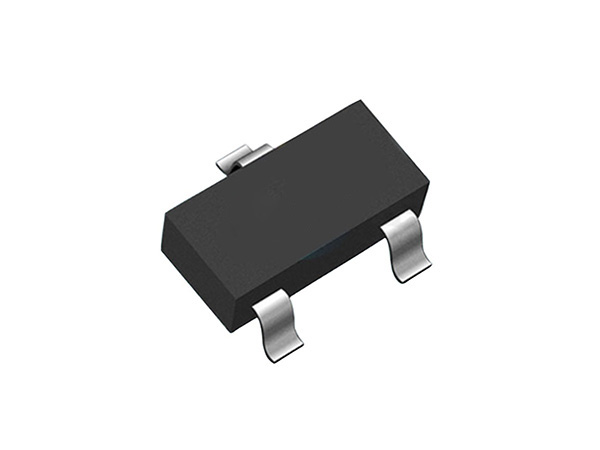
ESD (electrostatic discharge) protector is a device specifically designed to prevent damage to electronic equipment caused by electrostatic discharge. The following is a detailed explanation of ESD protectors:
1、 Definition and Function
ESD protector is an overvoltage and anti-static protective component, whose main function is to transfer ESD stress from sensitive components, allowing current to flow through the protective component rather than the sensitive component, while maintaining low voltage on the sensitive component. This can effectively prevent electrostatic discharge from causing damage to sensitive circuits in electronic devices
2、 Working principle
The working principle of ESD protector is mainly based on the principles of electrostatic induction and discharge. When static charges accumulate to a certain extent, ESD protectors can quickly direct the static charges into the ground, thereby avoiding damage to electronic devices caused by electrostatic discharge. In addition, ESD protectors also have overcurrent and overvoltage protection functions, which can automatically cut off the circuit when the equipment is subjected to abnormal voltage or current surges, protecting the equipment from damage
3、 Key performance parameters
Breakdown voltage (VBR): This is the voltage at which the ESD protector begins to operate (conduct), and also the threshold voltage at which the device transitions from a high resistance state to a low resistance state
Clamp voltage (VC): The voltage present at both ends of an ESD protector when a peak current flows through it. This voltage level is usually lower than the maximum peak voltage that the protected circuit can withstand, ensuring that the circuit is not damaged
Parasitic capacitance (Cj): The junction capacitance of a PN junction, which affects the signal transmission of the protection circuit. The smaller the parasitic capacitance, the less impact it has on high-speed signals
Reverse leakage current (IR): The current flowing through an ESD protector at a specified DC voltage (generally not exceeding the maximum operating voltage). The smaller the current, the less impact it has on the protection circuit
Peak Pulse Current (IPP): It reflects the amount of current that an ESD protector can discharge when subjected to transient overvoltage
4、 Application scenarios
ESD protectors are widely used in various electronic devices, such as computers, communication equipment, industrial control equipment, medical equipment, automotive electronics, etc. In these fields, electrostatic discharge may lead to decreased device performance, data loss, and even device damage. The use of ESD protectors can effectively protect electronic devices from electrostatic discharge
5、 Selection and Installation
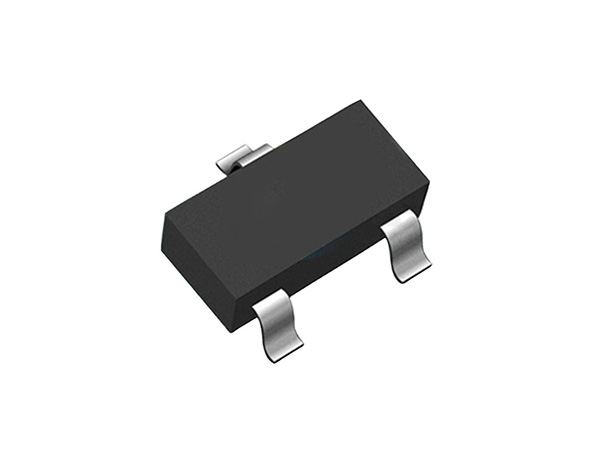
When selecting a suitable ESD protector, factors such as the operating voltage of the protected circuit, signal type, signal rate, and the required maximum parasitic capacitance need to be considered. Meanwhile, it is also necessary to pay attention to factors such as the packaging form, protection level, and size of ESD protectors to ensure that they are suitable for specific circuit board layout and installation requirements. When installing, relevant electronic component installation specifications should be followed to ensure that the ESD protector can work correctly and reliably
In summary, ESD protector is an important protective device that plays a significant role in protecting electronic devices from electrostatic discharge damage. By understanding its working principle, key performance parameters, application scenarios, and selection and installation requirements, we can better choose and use this device to ensure the normal operation and data security of electronic devices
Jiangsu Daqi Semiconductor Technology Co., Ltd. © Copyright 2025
【Backstage】