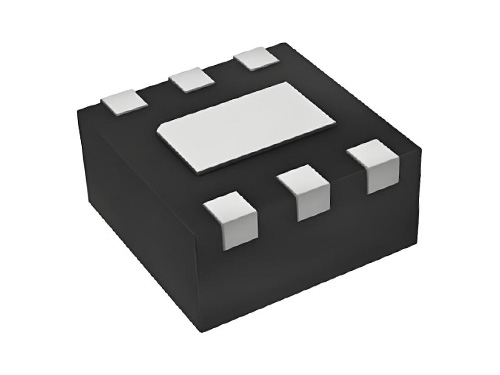
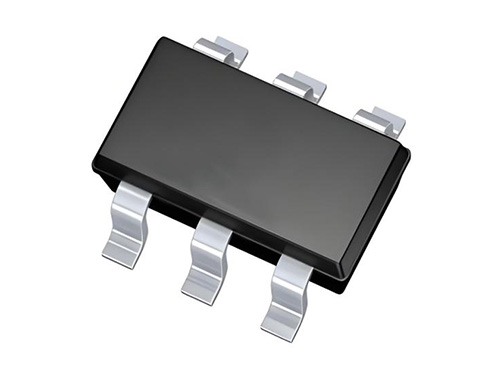
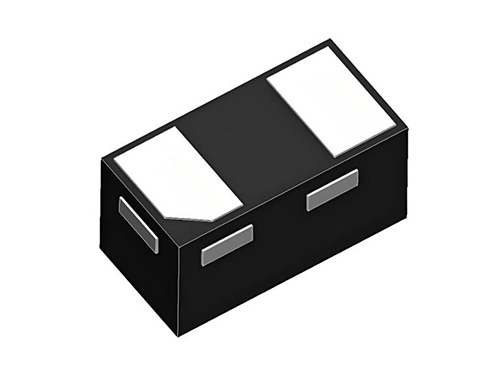
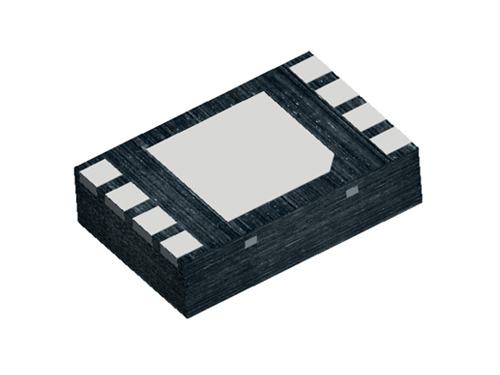
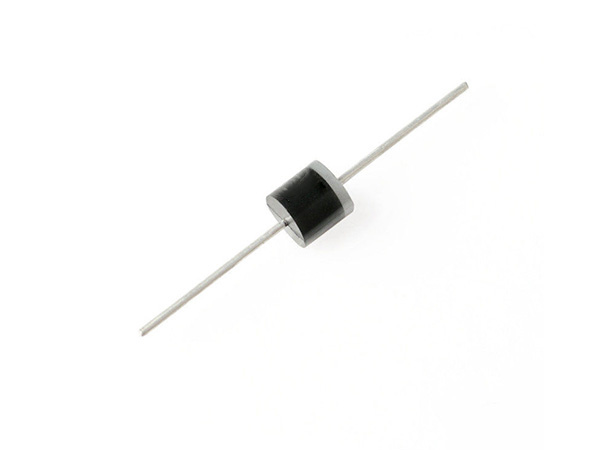
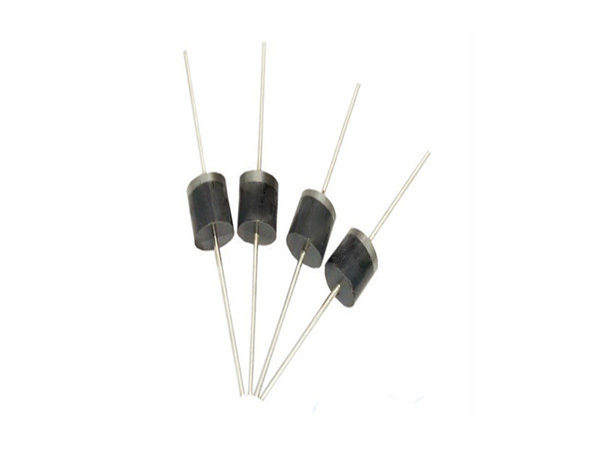
The failure of electrostatic diodes is usually caused by the following reasons: the pulse energy exceeds the maximum peak pulse current (IPP) of the device, and the PN junction is broken down due to instantaneous heating; the reverse working voltage is selected lower than the actual voltage of the circuit, and the device remains in a critical conduction state for a long time, generating heat and aging until failure; repeated cumulative impacts cause fatigue in the junction area, resulting in gradual deterioration of performance; unreasonable PCB layout leads to a large impedance of the discharge circuit, and the actual voltage borne by the device increases...
The ESD voltage levels (such as ±8kV contact discharge, ±15kV air discharge) are based on the IEC 61000-4-2 testing standard, which reflects the device's tolerance to standard ESD pulses. However, this indicator does not represent the device's clamping capability, current-carrying capacity, or signal compatibility. We have seen many cases where engineers chose "ultra-high level" ESD tubes with a nominal voltage of ±30kV, only to have them directly broken by lightning surges at the customer's site - because although this type of device has a high voltage level...
The clamping voltage (VC) is set too high. This is the most common cause of failure. Once the electrostatic diode conducts, it will clamp the voltage to a fixed value. If this clamping voltage is higher than the maximum withstand voltage of the protected IC, the chip will still be broken down. When selecting, be sure to check the datasheet of the core IC to ensure that the VC value is much lower than the withstand voltage limit of the IC. The matching of the operating voltage (VRWM) is incorrect...
The official name of the electrostatic diode is ESD protection diode (Electrostatic Discharge Protection Diode), which is a type of overvoltage protection component specifically designed to protect electronic circuits from damage caused by electrostatic discharge. It has a fundamental difference from the ordinary diode we commonly refer to - the ordinary diode performs tasks such as rectification and switching, while the electrostatic diode is responsible for protective tasks...
The working principle of FRD fast recovery diode mainly involves the switching operation and charge storage effect of the diode. The following is a detailed explanation of its working principle: 1. Forward bias state: When the positive terminal of a fast recovery diode is connected to a higher potential and the negative terminal is connected to a lower potential, the diode is in a forward bias state. At this point, the diode acts like a small resistor, allowing current to flow from the positive pole to the negative pole.
FRD fast recovery diodes play an important role in various electronic circuits due to their performance advantages such as fast recovery time, low forward voltage drop, high reverse voltage withstand, and good temperature characteristics. The main application scope of FRD fast recovery diodes is as follows: Switching power supply: FRD fast recovery diodes play an important role in switching power supplies, mainly used for rectification and freewheeling.