In the past decade, innovative technologies have continuously developed and improved, and the corresponding safety and reliability standards for automotive electronic devices have also undergone earth shaking changes. Technologies such as vehicle stability control system and anti lock braking system used to appear as optional configurations, but now they have become standard configurations for the vast majority of vehicles.
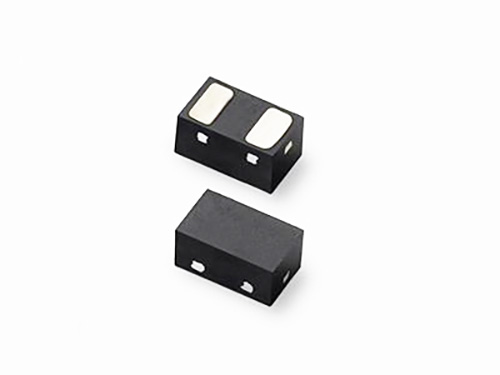
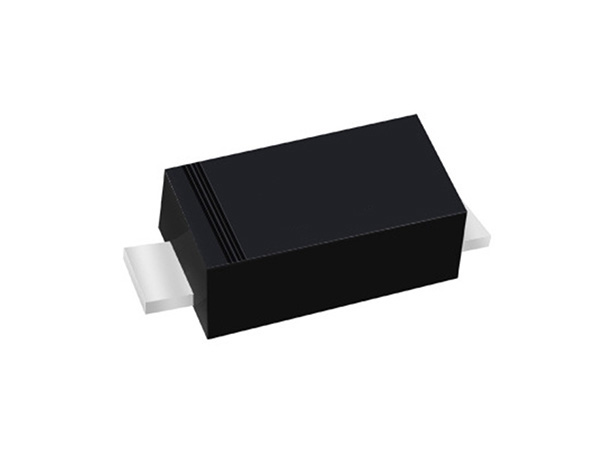
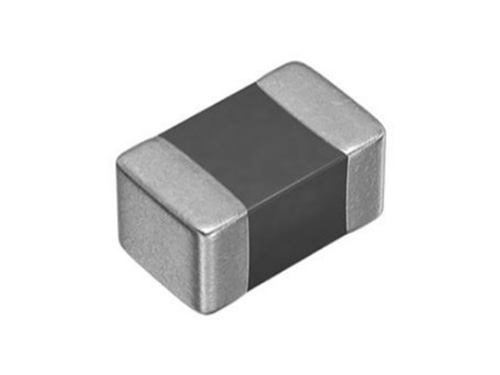
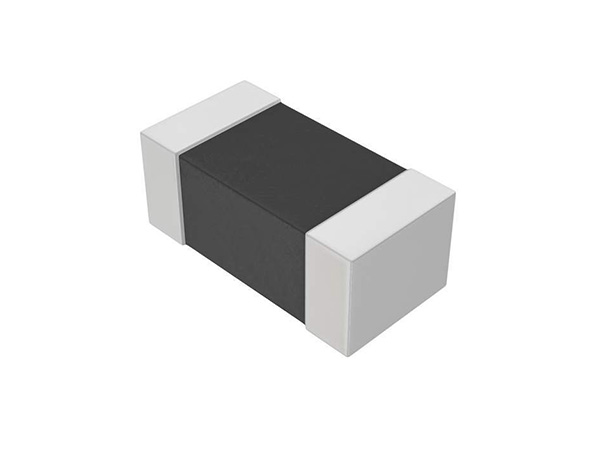
The working principle of ESD (electrostatic discharge) protector is mainly based on its ability to quickly change from a high resistance state to a low resistance state when an abnormal overvoltage occurs in the circuit, thereby discharging the instantaneous overcurrent caused by the abnormal overvoltage to ground and clamping the abnormal overvoltage within a safe level to protect the subsequent circuit from damage. The following is a detailed explanation of its working principle:
The higher the operating frequency of an ESD protector, the greater its impact on the signal. In fact, the impact of ESD protectors on signals depends on multiple factors, including their parasitic capacitance (Cj), operating voltage, breakdown voltage, clamp voltage, and peak pulse current. Firstly, parasitic capacitance (Cj) is one of the key factors affecting the signal impact of ESD protectors. The smaller the parasitic capacitance, the less impact it has on high-speed signals.
The operating frequency of ESD (electrostatic discharge) protectors is not a fixed value, but is determined based on their specific application scenarios and device characteristics. The following is a detailed explanation of the operating frequency of ESD protectors: 1. The diversity of operating frequencies determines the operating frequency: ESD protectors are widely used in various electronic devices, such as computers, communication equipment
Total:10
Total Length:2 |
The current page:2
9First
7Previous
Next page8
Finally page:
Jump: