In the past decade, innovative technologies have continuously developed and improved, and the corresponding safety and reliability standards for automotive electronic devices have also undergone earth shaking changes. Technologies such as vehicle stability control system and anti lock braking system used to appear as optional configurations, but now they have become standard configurations for the vast majority of vehicles. At present, there are a wide variety of innovative electronic devices for vehicles, including lane departure warning systems, vehicle communication systems, night vision safety systems, etc
Consumers' demand for automotive components is gradually extending to consumer electronics products, and designers have also realized the importance of certification standards. Research and manufacturing are also gradually shifting towards related fields. However, the design work based on automotive product standards still faces many technical difficulties and challenges. With the increasingly smaller size and faster transmission speed of automotive integrated circuits, the risk of damage during electrostatic discharge (ESD) process also increases accordingly. In addition, vehicle certification simulation tests have shown that automotive circuits have the characteristic of fast transient pulses
The practical application methods derived from automotive standards, circuit principles, and product solutions can help designers create products with high stability and reliability. Firstly, attention should be paid to the requirements in the testing standards and the most common categories for analyzing the protection of automotive circuits; Then identify those advanced circuit protection technologies and apply them to the design stage as early as possible to improve product safety and reliability
Circuit designers must carefully consider the requirements of ISO 10605 and AEC-Q 101 testing standards in order to develop advanced automotive electronic devices that meet the quality standards of the automotive market. ISO 10605 is an international standard that specifies the static discharge testing and evaluation method for developing electronic modules for conventional road vehicles. Electronic modules must be able to withstand electrical interference during assembly, maintenance, and vehicle handling processes. According to ISO 10605, each circuit and electronic component must undergo relevant testing before being used in a vehicle; Before the assembly of the new model is completed and taken offline, it still needs to undergo testing to ensure product safety and reliability
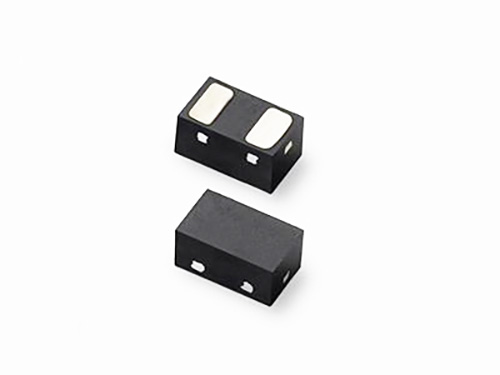
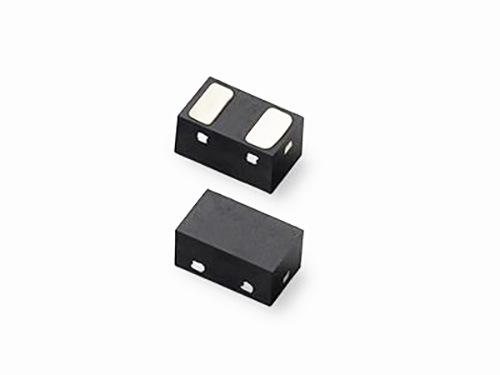
The focus of ISO 10605 standard is on electrical product risks, while AEC-Q 101 standard is more like an environmental specification, describing a series of quality assessment tests used to verify the long-term reliability of vehicle semiconductor components. Static discharge protection devices such as transient voltage suppression (TVS) diodes must meet the requirements of AEC-Q 101 standard before being applied to vehicles. According to the AEC-Q 101 standard, relevant components must be able to withstand thermal shock, extreme temperature, and high humidity environments
No matter where it is installed on the vehicle, all circuits and electronic devices are prone to damage after experiencing rapid transient pulses. The following will provide the four most common types of circuits that require protection
1 Traditional dual line communication bus
1.1 Controller Area Network (CAN)
The CAN standard enables communication between microcontrollers and electronic devices and vehicles without relying on a central computer. The CAN system can achieve various functions, including power transmission communication between steering assist devices, engine processors, and traditional systems
1.2 Local Interconnection Network (LIN)
The LIN serial network protocol is used to achieve information transmission between various components of a car. The LIN bus can manage and control simple electromechanical functions, such as adjusting electric seats and switching cruise control systems. CAN and LIN buses are likely to cause transient surge voltage waves, leading to the failure of unprotected CAN or LIN transceivers
2 High speed digital bus
USB and HDMI (High Definition Video Output) ports bring great convenience to vehicle users, such as the USB port on the dashboard, which allows drivers and passengers to charge their phones or tablets, or play music directly. The HDMI port can be connected to the front and rear cameras of the car, providing real-time image information of the surrounding area of the vehicle. With the improvement of information transmission speed and chip sensitivity, USB and HDMI high-speed ports must have outstanding signal integrity and system reliability characteristics. Weak static discharge or short circuit phenomena can cause damage to ports or other devices
3 WiFi wireless network communication and SIM card socket
The development of mobile 3G and LTE communication wireless network technology enables drivers and passengers to access rich information in their vehicles. The SIM module is an external component of automotive circuits that helps convert LTE communication data into WiFi wireless network signals, making it convenient for users to connect to smartphones, tablets, and laptops. The SIM card socket requires static discharge protection equipment, as occasional current pulses during installation or replacement of the SIM card may cause harm to the driver and passengers
4 High frequency communication and radio
High frequency communication technology relies on short-range radio frequency circuits to achieve communication between vehicles or between vehicles and roads. Networked information allows vehicles to obtain the location and speed information of other vehicles, directly associating them with each other, which helps prevent collision accidents and promotes the early implementation of intelligent transportation systems. The front-end of a wireless radio frequency amplifier is highly sensitive to static discharge, and the radio frequency signal generates positive/negative voltage in the antenna circuit
Vehicle circuit designers are committed to discovering high-quality circuit protection solutions, but currently there are limited companies that can manufacture products that meet the AEC-Q 101 standard. When choosing a product, the first step is to confirm whether the production company can meet the industrial standard requirements. Manufacturing companies should also pursue optimal methods during the product design phase and adopt high-quality processes in the production process
Designing highly stable automotive electronic devices requires consideration of environmental and electrical hazards, and successful designs must meet ISO 10605 and AEC-Q 101 testing standards. Electronic devices must be adequately protected in order to ensure vehicle reliability. Circuit designers should consider the shortcomings of automotive circuits, especially those involving innovative communication networks. With a deeper understanding of testing standards and circuit design, designers will be able to find the most suitable circuit protection solutions for different applications
Jiangsu Daqi Semiconductor Technology Co., Ltd. © Copyright 2025
【Backstage】