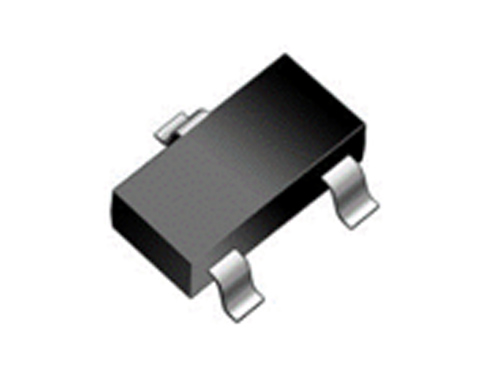
Electrostatic discharge is actually everywhere. When a person walks in a dry environment, their body can accumulate several thousand volts of static electricity. When you plug or unplug a USB interface or touch a device button, these static charges are instantly discharged onto the circuit board. One such small pulse may not kill the device on the spot, but if repeated hundreds or thousands of times, the tiny internal structures of the chip will be gradually damaged, eventually leading to degraded performance or complete failure.
So how can you tell if the ESD protection is the problem? Watch for these signs: product repair returns are concentrated on interface‑related failures; the failure rate of the same model increases significantly during dry seasons (autumn and winter); or the returned chips show obvious "breakdown points". If your product frequently experiences these issues, it is very likely that the ESD protection selection is inadequate.
We recommend evaluating ESD protection during the development phase, rather than waiting until after mass production to "fix the barn door after the horse has bolted". The after‑sales costs caused by ESD over the product's lifetime often far exceed the price of a single ESD diode.
Jiangsu Daqi Semiconductor Technology Co., Ltd. © Copyright 2025
【Backstage】