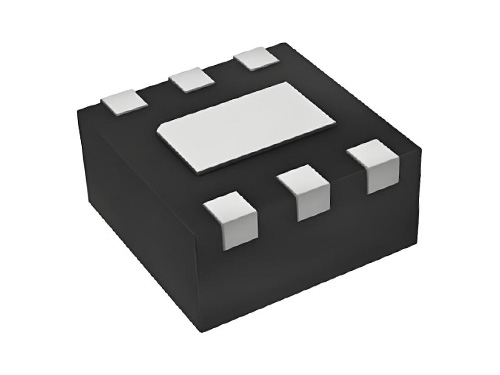
Electro‑static discharge (ESD) diodes can indeed get damaged. Although they are designed to withstand repeated electrostatic surges, they may still fail when surge energy exceeds the device tolerance, improper part selection is made, or flaws exist in circuit design.
Failures of ESD diodes are generally caused by the following factors: pulse energy surpasses the device’s maximum peak pulse current (IPP), breaking down the PN junction due to instantaneous heat buildup; the selected reverse working voltage is lower than the actual circuit voltage, leaving the device in a quasi‑conduction state for long‑term operation, which leads to thermal aging and eventual failure; repeated cumulative surges cause junction fatigue and gradual performance degradation; unreasonable PCB layout results in high impedance of the discharge loop, raising the actual voltage borne by the device.
Damaged ESD diodes normally present two failure modes: short‑circuit or open‑circuit.
Short‑circuit failure — the device effectively connects signal or power lines directly to ground. Consequences include abnormal interface functions (e.g. unrecognized USB devices), faulty equipment operation or even power‑on failure. This failure mode is observable and thus relatively easy to detect in time.
Open‑circuit failure — the device is functionally removed from the circuit. The equipment appears to work normally, yet rear‑end chips lose electrostatic protection. This is the most hazardous "latent failure", which only reveals itself when a subsequent electrostatic event burns out the main chip.
How to tell whether an ESD diode is damaged? The most reliable method is measurement with the diode mode of a multimeter: conduction in both forward and reverse directions with resistance close to zero indicates short‑circuit breakdown; no conduction in either direction with infinite resistance points to open‑circuit failure. It is recommended to desolder the component from the PCB for measurement to avoid reading interference from surrounding components.
Recommendations for customers: Sufficient current margin shall be reserved during component selection instead of choosing parts right at their absolute maximum ratings; place ESD diodes as close to connectors as possible in layout, with short and thick grounding traces; for high‑reliability products, select components with good consistency and strict certifications.
Jiangsu Daqi Semiconductor Technology Co., Ltd. © Copyright 2025
【Backstage】