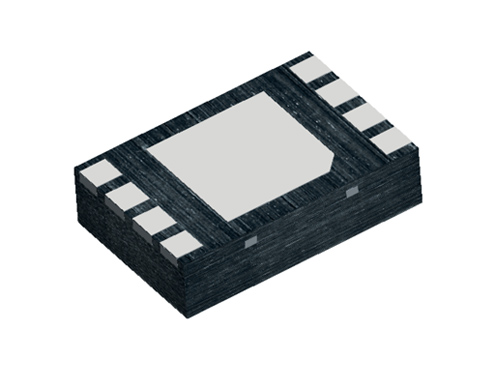
Simply put, ESD diodes and TVS diodes are essentially both semiconductor transient suppression devices, but each has its own "area of expertise". ESD diodes are specifically designed for electrostatic discharge scenarios — extremely fast response time (picosecond level), very low junction capacitance (typically only 0.5–3 pF), and ultra-compact packaging, making them ideal for high-speed signal interfaces such as USB, HDMI, and USB-C. Their job is to quickly discharge static electricity generated by human or equipment contact to ground, protecting downstream chips from damage.
TVS diodes, on the other hand, are designed for "high-energy surges" — such as lightning-induced surges or surge voltages from power supply plug/unplug events, ranging from hundreds to thousands of watts. However, TVS diodes have relatively high junction capacitance (hundreds to thousands of pF), and if placed on high-speed signal interfaces, they will severely degrade data transmission rates. In other words: use ESD diodes for signal interfaces and I/O ports, and use TVS diodes for power ports or long-cable interfaces. If your product faces both types of risk, you can also consider a tiered protection scheme: use a TVS diode at the front end to absorb surges, and an ESD diode at the back end for fine protection.
Jiangsu Daqi Semiconductor Technology Co., Ltd. © Copyright 2025
【Backstage】