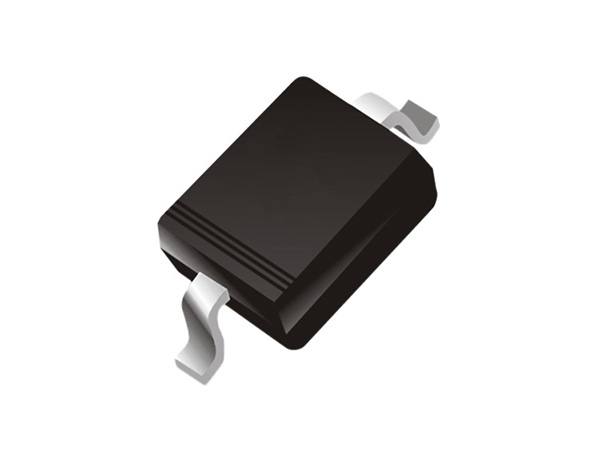
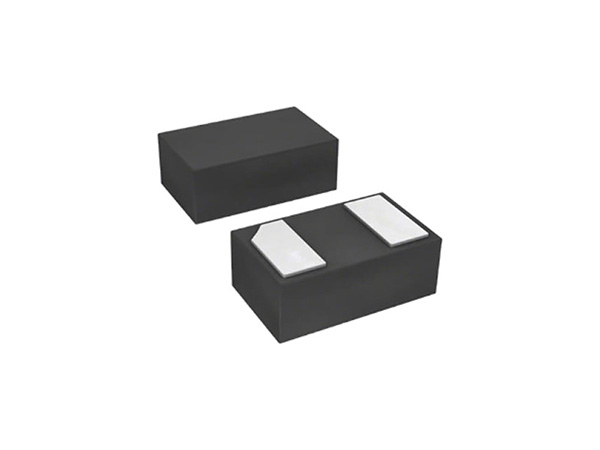
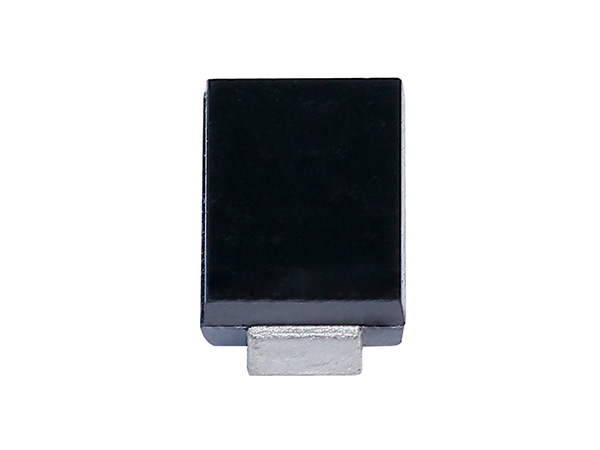
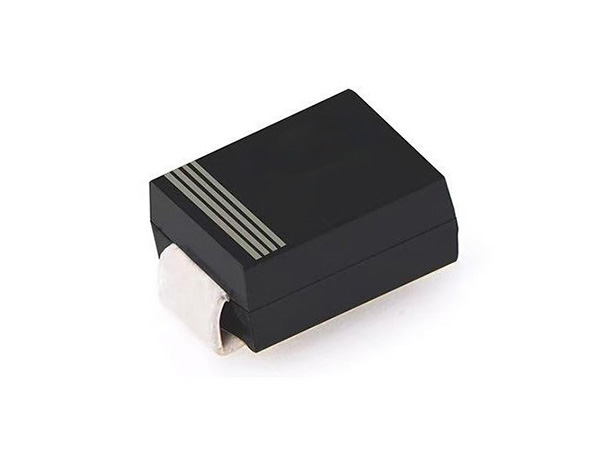
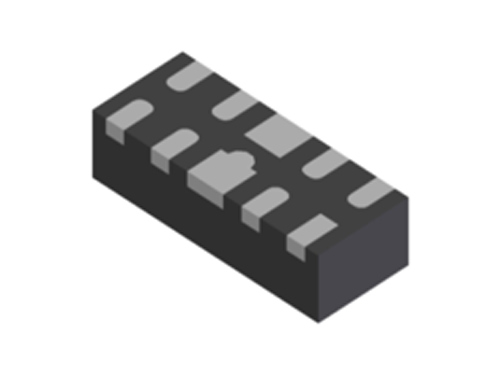
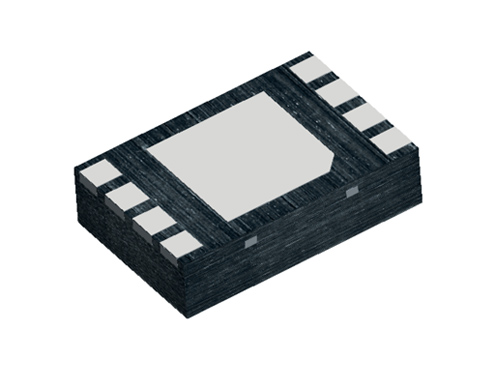
TVS (Transient Voltage Suppressor) diodes and voltage regulators are commonly used components in the electronic field, each with unique advantages. The advantage of TVS diode is fast response time: The response time of TVS diode is usually in the picosecond level, which can quickly respond to transient voltage surges in the circuit and effectively protect sensitive components in the circuit.
TVS (Transient Voltage Suppressor) diodes and voltage regulators are important protective components in the electronic field, each suitable for different scenarios. Application scenarios of TVS diodes in automotive electronics: Voltage surges are a common phenomenon in automotive electronic systems, especially during engine start-up and shutdown. TVS diodes can effectively protect key components such as engine control units and sensors from damage caused by voltage surges.
TVS transient voltage suppression is achieved regardless of how the TV is generated, such as surges caused by direct or indirect lightning strikes, electrostatic discharge, large capacity load switching, and other factors The voltage ranges from a few volts to tens of kilovolts or even higher ESD electrostatic discharge protection here is mainly described by three models The main applications are HBM and MM.
Zener diodes and TVS diodes are both connected in reverse in the circuit, which utilizes their reverse characteristics and PN junction avalanche effect to have a critical voltage before reverse breakdown. They both have a stabilizing effect in reverse connected circuits, but they are not the same. Zener diodes use to fix the input voltage at a certain value, while TVS diodes mainly prevent transient high voltage from clamping the downstream circuit;
Although ESD diodes are protective devices, they have their own "limits" and can also fail in harsh application scenarios.The scenarios most likely to cause ESD diode failure fall into three main categories. The first is a "high-frequency repetitive ESD discharge environment"—such as industrial touch screens, USB ports that require frequent plugging and unplugging, and metal housing buttons. In these scenarios, the ESD diode faces not a single large surge, but hundreds or even thousands of repeated moderate-level electrostatic discharges. The energy accumulates gradually, the PN junction degrades over time, and ultimately the protective device turns into a conductive short circuit. The second is a "high-temperature plus ESD superimposed environment," such as automotive center consoles, BMS, and devices with high-density PCB layouts. As the temperature increases, the ESD diode's withstand capability drops noticeably, and an electrostatic discharge of the same intensity is more likely to cause thermal damage under high temperatures. The third is a humid environment—moisture and contaminants form leakage paths on the PCB surface, causing the electrostatic discharge to no longer be uniformly distributed and making it easy to burn through the PN junction.
Simply put, ESD diodes and TVS diodes are essentially both semiconductor transient suppression devices, but each has its own "area of expertise". ESD diodes are specifically designed for electrostatic discharge scenarios — extremely fast response time (picosecond level), very low junction capacitance (typically only 0.5–3 pF), and ultra-compact packaging, making them ideal for high-speed signal interfaces such as USB, HDMI, and USB-C. Their job is to quickly discharge static electricity generated by human or equipment contact to ground, protecting downstream chips from damage.